Curcumin and Longevity: An Evidence Review
Curcumin, turmeric’s active polyphenol, reduces osteoarthritis pain and inflammation in humans, but no study shows it extends human lifespan.
Evidence reviews of individual compounds and interventions — what is proven, what is promising, and what is marketing.
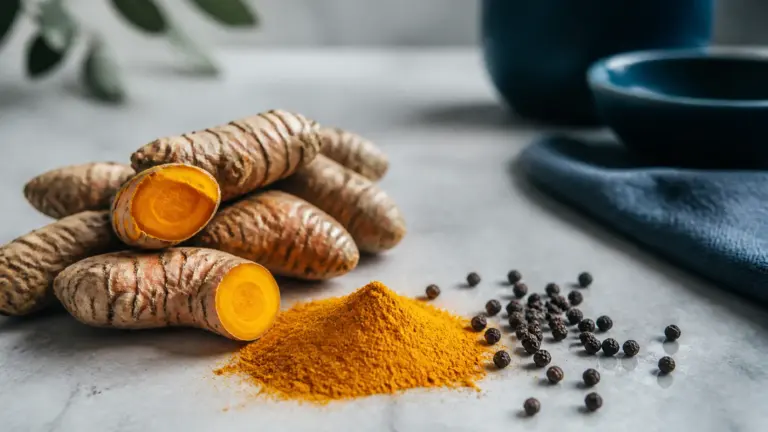
Curcumin, turmeric’s active polyphenol, reduces osteoarthritis pain and inflammation in humans, but no study shows it extends human lifespan.
GlyNAC pairs glycine with N-acetylcysteine to rebuild glutathione, the antioxidant that declines with age; it extended lifespan in mice, but human data is still limited to small trials.
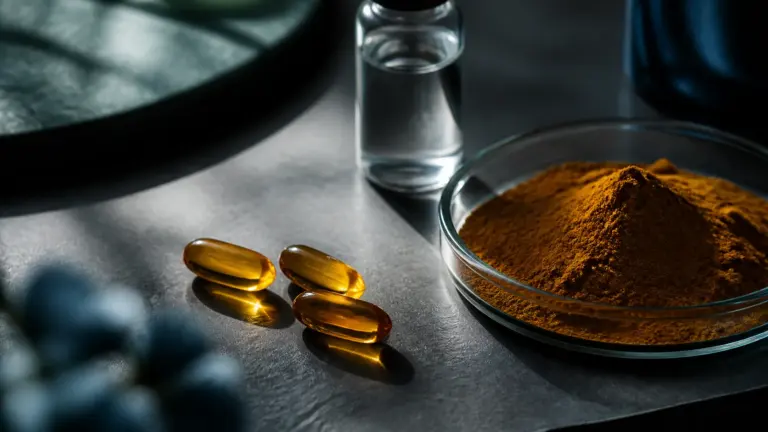
Coenzyme Q10 has real evidence in heart failure and in older adults, but no proven anti-aging benefit for healthy people without a deficiency.
What fisetin actually shows as a senolytic: strong results in mice, early human trials, hit-and-run dosing, and why the doses are far above anything in berries.
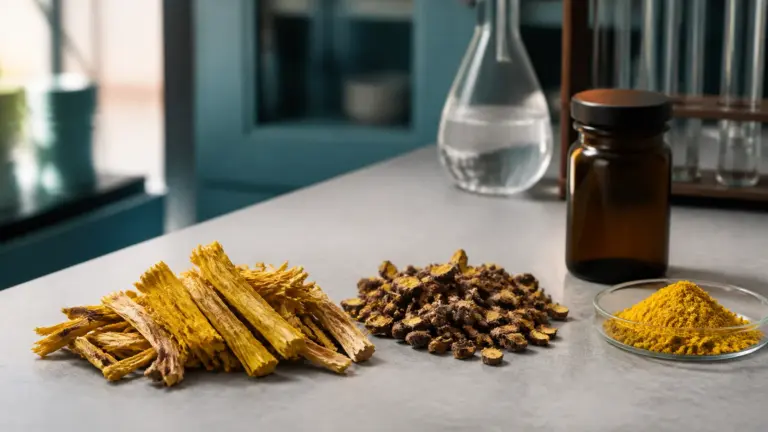
Berberine activates AMPK like metformin and improves glucose and lipids in randomized trials, but no study has tested its effect on human lifespan.
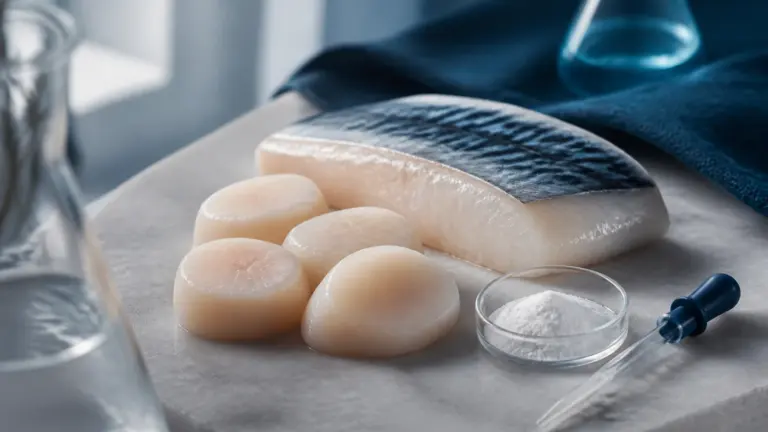
Taurine extended lifespan in mice and worms in a 2023 Science study, but the human evidence is still only correlational.
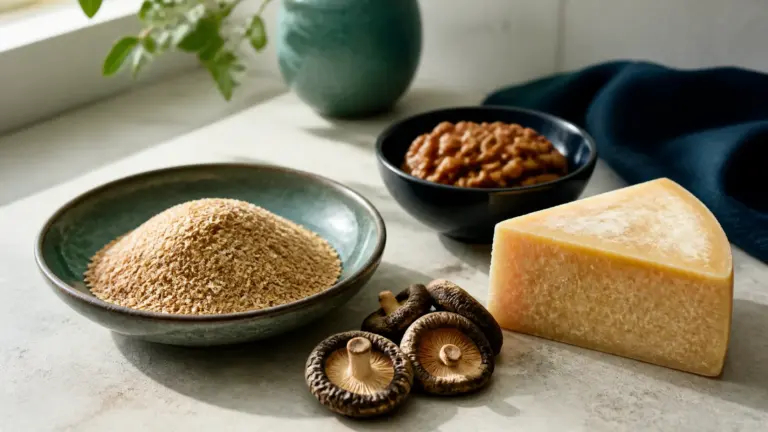
Spermidine is a natural polyamine and a potent inducer of autophagy: strong animal data, supportive human observations, and food sources you already know.
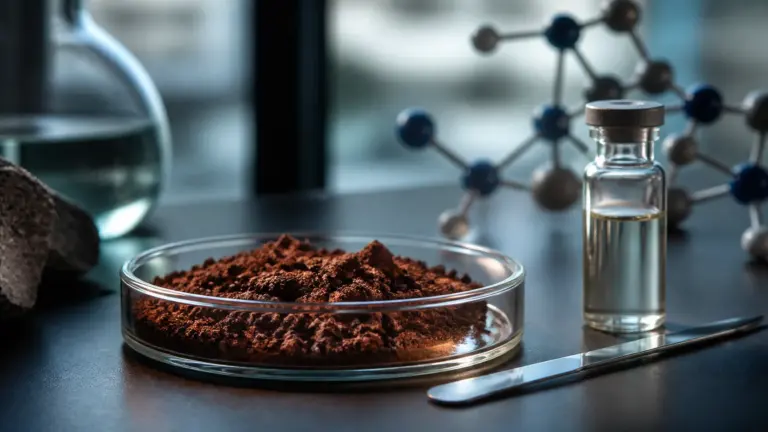
Rapamycin is the most convincing geroprotector in mice and the most uncertain in humans: no human trial shows life extension, and it is a prescription immunosuppressant.
Metformin is studied as a possible geroprotector, but for healthy people without diabetes there is still no evidence that it extends life.