Resveratrol and Longevity: What Is Actually Proven
By Longevity Lab · Published: July 21, 2026
Based on peer-reviewed research — full source list at the end of this article. This is educational information, not medical advice.
- Resveratrol is a polyphenol from grape skin and red wine, and it is best known for activating sirtuins.
- The hype began with animal work: in mice on a high-calorie diet, resveratrol improved measures of health.
- In humans there is no convincing evidence of a benefit for longevity; trial results are inconsistent.
- The catch is low bioavailability: very little of the resveratrol in a supplement reaches the tissues.
- Drinking red wine for the resveratrol is a bad idea: the harm from alcohol outweighs the hypothetical benefit.
Resveratrol is a plant polyphenol that activates Sirtuins and improved health and survival in mice on a high-calorie diet, but no benefit for longevity has been proven in humans. Clinical trials in people are small and inconsistent, and low bioavailability means only a small fraction of an oral dose ever reaches the tissues. It remains a star of anti-aging marketing, sold either as the secret behind the “French paradox” or as an activator of longevity genes. The real picture is more modest and more instructive. Here is the honest version: what resveratrol is, where the hype came from, what the animal and human studies showed, and why none of it is a reason to buy a bottle yet.
What resveratrol is
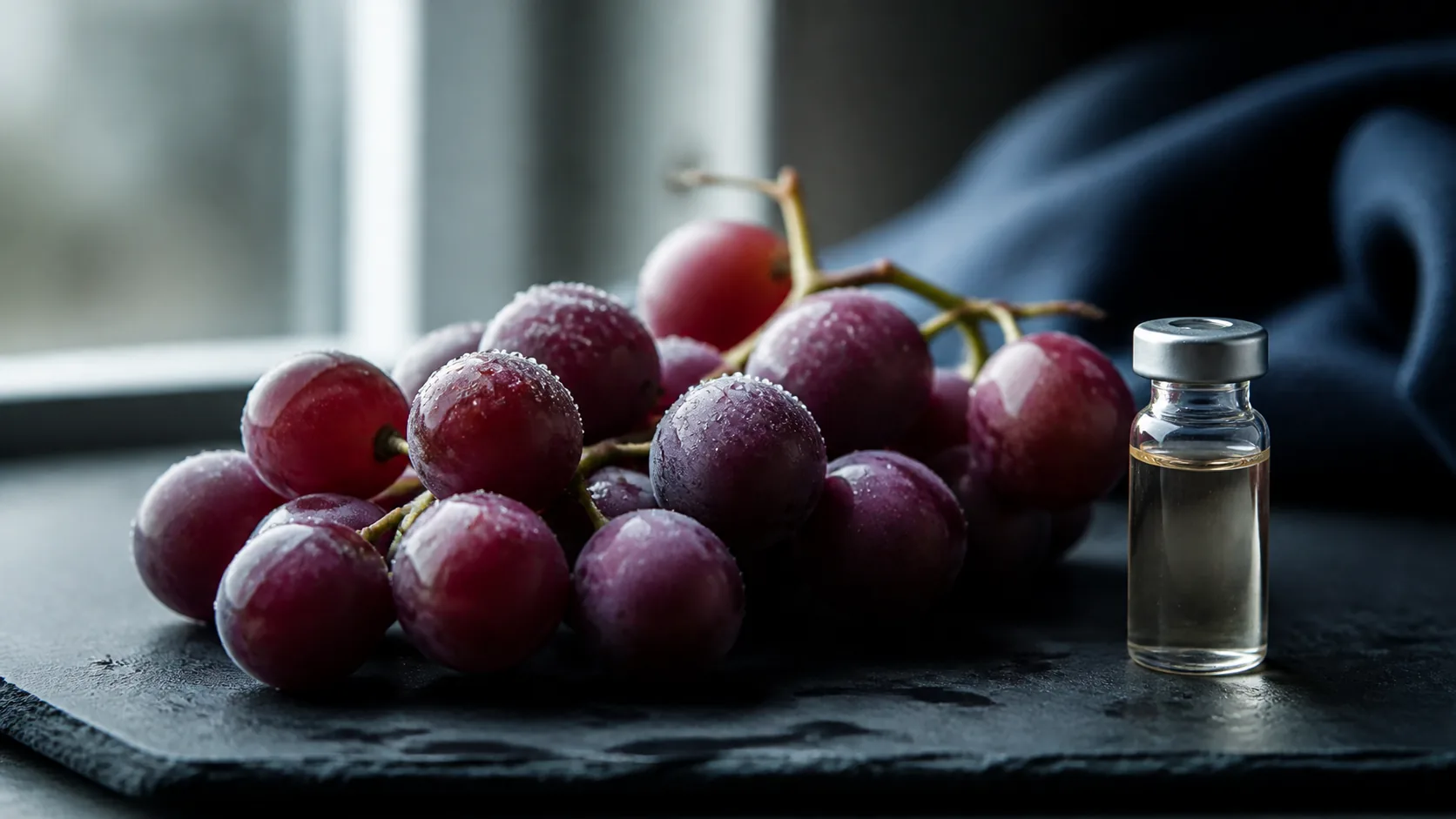
Resveratrol is a polyphenol that plants make in response to stress. It is most concentrated in the skin of red grapes, which is why it turns up in red wine, and it also appears in peanuts and some berries. It caught the attention of researchers because it activates sirtuins, in particular SIRT1, a family of proteins involved in regulating Metabolism and thought to be tied to the mechanisms of aging.
Where the hype came from
A 2006 experiment set off the wave: in mice on a high-calorie diet, resveratrol improved measures of health and metabolism, partly imitating the effects of caloric restriction. A pill that reproduces the benefits of fasting was a thrilling idea, and it launched a supplement boom. But as often happens in the biology of aging, the excitement ran ahead of the evidence. What worked in mice at high doses could not be reproduced in people. Fasting itself, the thing the pill was supposed to imitate, has a longer human track record and caveats of its own, which we untangle in Intermittent Fasting and Aging, Minus the Hype.
What we know about humans
The human data disappoints the enthusiasts:
- clinical trials of resveratrol are inconsistent and mostly small;
- there is no convincing evidence that it extends lifespan or slows aging in humans;
- some studies found modest shifts in individual metabolic markers, and others found no effect at all.
The resveratrol story closely mirrors that of other fashionable geroprotectors such as NMN: an interesting hypothesis and elegant animal experiments, with nothing solid where the human evidence should be.
The bioavailability problem
There is also a technical reason for the weak results: resveratrol has low bioavailability. Taken by mouth, it is rapidly processed in the liver and the gut, and only a small fraction reaches the tissues. Put plainly, even if resveratrol did work, an ordinary supplement may not deliver enough of it to the place where it is needed. That is one reason the encouraging laboratory effects do not carry over to people.
What about red wine
A common question: if resveratrol is in red wine, does that make wine good for you? No. The concentration of resveratrol in wine is negligible, and reaching the doses used in the experiments would mean drinking hundreds of liters. The harm from alcohol, meanwhile, is real: on current evidence, a safe dose that also delivers a benefit probably does not exist. Crediting wine for the long lives of people in the Blue Zones is a mistake. What works there is the food, the daily movement and the social ties, not the glass — and among the habits catalogued in Blue Zones and the Lessons of a Long Life, what people drink sits far down the list.
Should you take resveratrol
The honest answer: in humans there is no evidence base for a yes. Resveratrol supplements are usually tolerated well, but spending money on them for Longevity is premature. If your goal is to actually affect aging, your effort goes much further in the proven habits covered in our guide to how to slow aging. It is also worth measuring the outcome rather than the supplement shelf, and the approaches compared in Biological age tests: what to measure and how to choose a method will tell you more about your pace of aging than any label on a bottle.
Frequently asked questions
Does resveratrol extend lifespan?
Not in humans. There were encouraging animal experiments, but clinical trials are inconsistent and do not confirm a benefit for longevity.
Is red wine good for you because of the resveratrol?
No. There is very little of it in wine, and the harm from alcohol is real. Drinking wine for the resveratrol is a bad idea.
Why do resveratrol supplements work so poorly?
Low bioavailability. It is metabolized quickly and only a small fraction reaches the tissues, so even a potential effect never arrives at its target.
Should you buy resveratrol?
For longevity, it is premature. There is no evidence of benefit in humans. The money does more for you spent on movement, sleep and food.
Sources
Sources (3)
- Baur JA, et al. Resveratrol improves health and survival of mice on a high-calorie diet. Nature. 2006;444:337–342. PubMed →
- Timmers S, et al. Calorie restriction-like effects of 30 days of resveratrol in humans. Cell Metab. 2011;14:612–622. PubMed →
- Howitz KT, et al. Small molecule activators of sirtuins extend lifespan. Nature. 2003;425:191–196. PubMed →
Disclaimer. This article is for information only and does not replace medical advice. Talk to a qualified clinician before changing anything about your health.