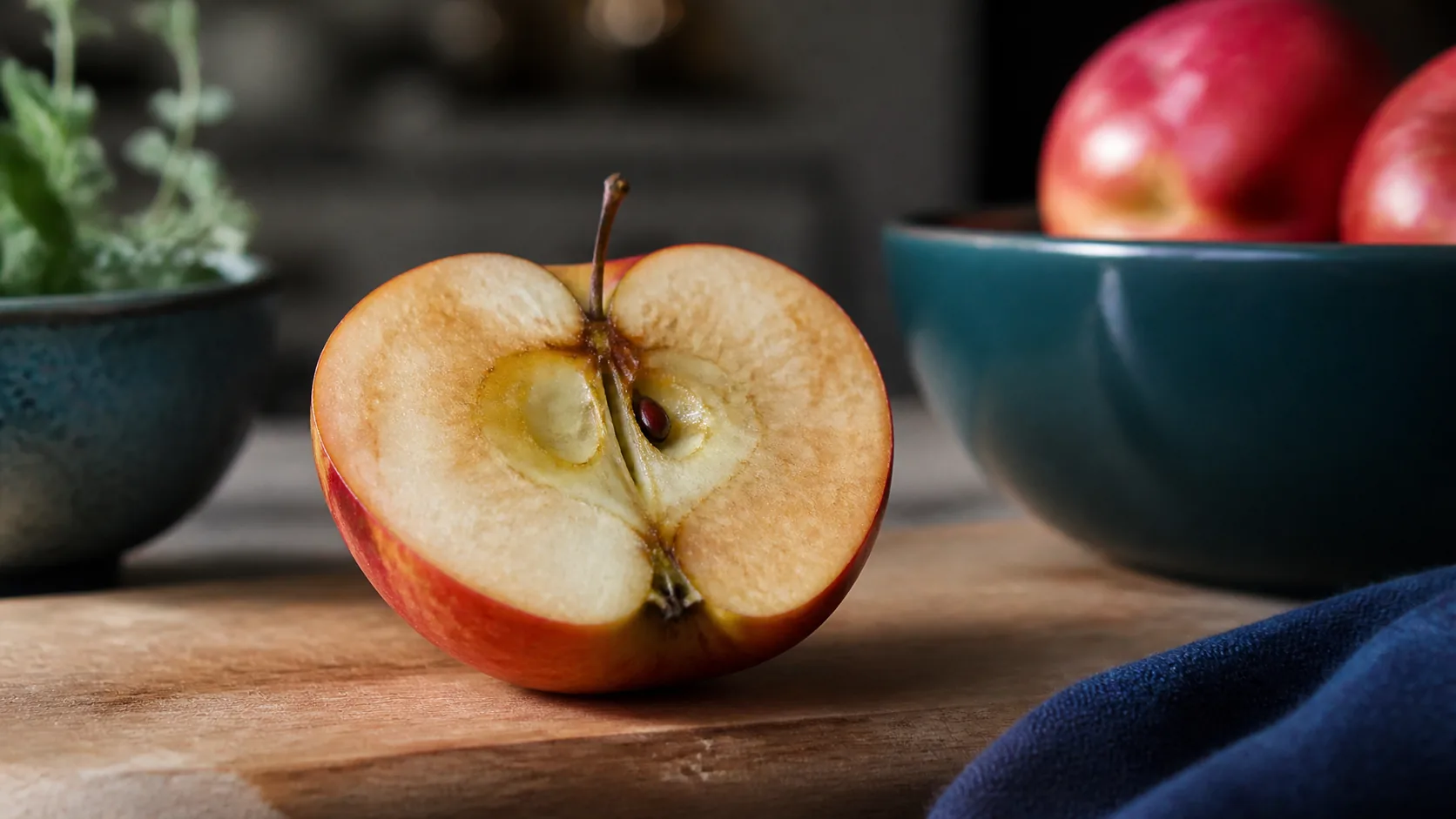
Oxidative stress
Oxidative stress is the imbalance that arises when a cell produces more reactive oxygen species — free radicals and related oxidants — than its antioxidant defenses can neutralize, leaving damage to DNA, fats and proteins. Reactive oxygen species are not intruders. Most are ordinary byproducts of burning fuel for energy, and immune cells manufacture them deliberately to kill microbes. At low levels they also work as signals that tell a cell to repair and adapt. The problem is a sustained imbalance, not the existence of the molecules. The reference entry on Oxidative stress covers the same ground in more depth.
What it measures
Oxidative stress is a state, not a line on a lab report. The radicals themselves cannot be measured in a living person, because most of them survive for a tiny fraction of a second. So researchers measure the wreckage instead: F2-isoprostanes in urine or plasma for oxidized fats, 8-OHdG for oxidized DNA, protein carbonyls for damaged proteins, and oxidized LDL in cardiovascular research. On the defense side they look at the ratio of reduced to oxidized glutathione inside cells, or at a pooled “total antioxidant capacity” reading.
None of this is part of routine clinical care, and none of these markers has a single agreed reference range. Values move with the assay used, with how the sample was collected, frozen and handled, and with whether a urine result was corrected for creatinine, so figures from two laboratories are often not comparable. Each lab scores you against its own range, which is worth remembering before paying for a consumer “oxidative stress panel”.
Why it matters for longevity
Most reactive oxygen species come from the Mitochondria, the compartments that turn food and oxygen into usable energy — and mitochondria are also among the first structures the escaping oxidants damage, which makes the process self-reinforcing. Oxidative damage feeds several of the recognized hallmarks of aging: strand breaks and mutations add to genomic instability, damaged mitochondria generate energy less cleanly, and a cell carrying unrepaired damage may enter Cellular senescence, stop dividing and keep signaling inflammation to the tissue around it.
The link to outcomes is mostly observational. Higher markers of oxidative damage are associated with cardiovascular disease, type 2 diabetes, neurodegenerative disease and higher mortality, but the people with high markers also tend to smoke more, carry more weight and be sicker to begin with. The causal test — give antioxidants and see who lives longer — has largely failed. Large randomized trials of high-dose vitamin E, vitamin C and beta-carotene did not reduce mortality, and beta-carotene supplements raised lung cancer risk in smokers. The free radical theory of aging, proposed by Denham Harman in 1956, described a real mechanism but turned out to be far too simple as a prescription.
What changes it
The biggest avoidable source is tobacco smoke, and quitting does more here than any supplement. After that come the ordinary drivers: heavy alcohol, unprotected sun, polluted air, chronically high blood sugar, excess visceral fat, short sleep and unresolved infection or inflammation.
On the other side, the defense is mostly something your body builds rather than something you swallow. Regular exercise is the clearest example: a training session raises reactive oxygen species briefly, and the cell responds by producing more of its own antioxidant enzymes, so the long-run effect is a stronger defense. This is also why very high doses of isolated vitamin C and E taken around training may blunt part of the adaptation. A diet built on vegetables, fruit, legumes, nuts, olive oil and fish supplies antioxidants in the mixtures and doses food provides, which is where the evidence sits. Sleep, sun protection and keeping glucose and blood pressure in range do the rest of the work quietly.
Related reading
- Glycine and GlyNAC: A Longevity Evidence Review
- Coenzyme Q10 and Longevity: An Evidence Review
- Taurine and Longevity: Reviewing the Evidence
- Curcumin and Longevity: An Evidence Review
Disclaimer. This article is for information only and does not replace medical advice. Talk to a qualified clinician before changing anything about your health.