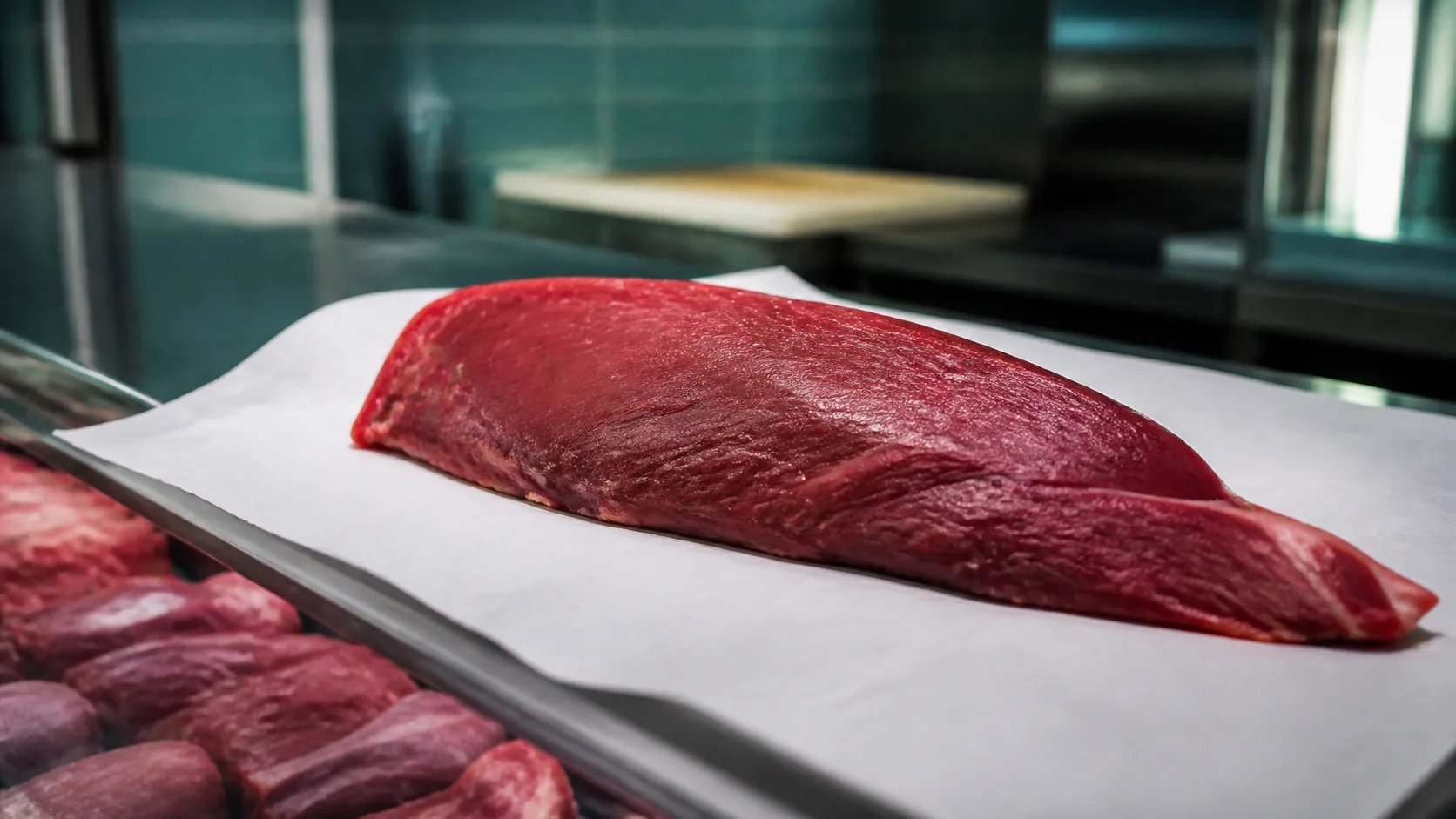
Lean muscle mass
Lean muscle mass is the weight of a person’s skeletal muscle — the contractile tissue attached to the skeleton, counted apart from fat, bone and organs. The phrase belongs to fitness culture rather than the clinic: all skeletal muscle is already lean. Clinicians use two stricter terms: fat-free mass, meaning everything in the body that is not fat, and skeletal muscle mass, meaning the muscle alone. People saying lean muscle mass almost always mean the second, and confusing the two is why body-composition reports seem to disagree.
What it measures
Nothing weighs muscle directly. Every figure is an estimate, and the method decides what is counted.
- MRI and CT. The reference standard: muscle imaged slice by slice. Accurate, expensive, mostly research-only.
- DXA. Splits the body into fat, bone mineral and lean soft tissue. That third compartment is not pure muscle — it holds organs, connective tissue and their water. Narrowing it to the arms and legs gets closer to Skeletal muscle mass (SMM).
- Bioimpedance. The scale at the gym or in your bathroom. It passes a small current through the body, estimates total body water, and works backwards to Fat-free mass (FFM) with a built-in equation. Hydration and a large meal move the number.
The compartments differ, so two devices can disagree by kilograms on the same person. Follow one device and read the trend.
Typical values
There is no single normal figure. Muscle scales with height and frame, differs between the sexes and depends on the method, so these are commonly quoted reference points, not diagnostic thresholds.
| Measure | Commonly quoted values |
|---|---|
| Skeletal muscle as a share of body weight | About 30-40 percent in healthy adults, higher in men |
| Fat-free mass index (per height squared) | Roughly 17-20 kg/m² in men, 14-17 kg/m² in women, varying by population and device |
| Appendicular muscle mass index (arms and legs per height squared) | Low below 7.0 kg/m² (men) or 5.5 kg/m² (women), European working-group criteria |
| Change with age | Often cited as 3-8 percent per decade from around age 30, accelerating after 60 |
Why it matters for longevity
Skeletal muscle is the largest destination for glucose after a meal, so having less of it is associated with poorer insulin sensitivity. It is also the body’s protein reserve: during illness or surgery the body breaks muscle down for amino acids, and people who start with more tolerate that better. In cohort studies, low muscle mass — and more strongly, low muscle strength — is associated with higher all-cause mortality, falls, fractures, longer hospital stays and the loss of independent living. That is why Lean muscle mass is better understood as a functional reserve than an aesthetic target. The evidence is mostly observational, and strength predicts survival more tightly than size does.
What changes it
Progressive resistance training is the lever with real trial evidence behind it. Controlled trials in older adults, including people in their eighties, improved strength and muscle size when the load rose over time — two or three sessions a week, large muscle groups, more weight as the work gets easier. Endurance exercise brings other benefits, not muscle size.
Protein supports the training rather than replacing it. Geriatric guidelines commonly recommend more than the standard adult reference intake of 0.8 g per kg per day, spread across meals rather than concentrated at dinner. Calories matter as much: eat too little for too long and part of the shortfall comes out of muscle. The fat-free share of weight lost while dieting is commonly put at a quarter to a third, and it grows without protein and training — including on weight-loss medication.
Immobility works fastest in the wrong direction: days of bed rest cost muscle that takes months to rebuild, so move early after illness or surgery. Uncontrolled diabetes, chronic inflammation and thyroid disease speed it up. Age, sex hormones and genetics are not under your control.
Related reading
- Strength Training Against Sarcopenia
- How Much Protein You Need After 40 to Keep Muscle
- Creatine for Muscle, Brain, and Healthy Aging
- How to Build a Training Program for Longevity
- Sarcopenia
Disclaimer. This article is for information only and does not replace medical advice. Talk to a qualified clinician before changing anything about your health.