Gut microbiome
The gut microbiome is the whole community of bacteria, archaea, fungi and viruses that lives in your digestive tract — almost all of it in the colon — together with the genes those microbes carry. Bacterial cells in an adult are on roughly the same order as human cells in the body, and their combined gene set dwarfs the human genome. Composition is highly individual: two healthy people can share broad functions while differing widely in which species perform them. The reference entry on Gut microbiome goes deeper.
What it measures
There is no blood test for it. A microbiome report comes from sequencing DNA in a stool sample. Two methods dominate: 16S rRNA gene sequencing, which sorts bacteria to roughly the genus level, and shotgun metagenomic sequencing, which reads all the DNA present and resolves species and gene functions. A typical report lists relative abundances of the main groups, a diversity score, and a comparison against the lab’s own samples.
Two caveats decide how much to read into that. Stool represents material passing through the colon, not the bacteria attached to the gut lining or the very different community of the small intestine. And there is no clinically validated reference range for a normal microbiome: results shift with the sequencing method, the analysis pipeline, recent meals and transit time, so the same person can look different on two reports taken days apart. Outside a few specific diagnoses, a consumer test is a research snapshot, not a clinical result to act on.
Why it matters for longevity
The clearest mechanistic role is fermentation. Colonic bacteria break down fiber and resistant starch that human enzymes cannot digest and produce short-chain fatty acids, mainly acetate, propionate and butyrate. Butyrate is the main fuel for the cells lining the colon and supports the gut barrier. Gut microbes also train the immune system, transform bile acids, metabolize some drugs, and synthesize a share of vitamin K and several B vitamins.
The link to aging is largely observational. Reduced diversity and altered composition are associated with obesity, type 2 diabetes, inflammatory bowel disease and frailty, and in older adults a microbiome that drifts toward a more individual pattern has been associated with better health and survival. A weakened barrier is one proposed route from the gut to the chronic low-grade inflammation that markers such as hs-CRP — high-sensitivity C-reactive protein pick up. Causal human evidence is thin: transplanting microbiota between mice can transfer traits such as obesity, but the only microbiome intervention with strong trial support in people is fecal microbiota transplantation for recurrent Clostridioides difficile infection.
What changes it
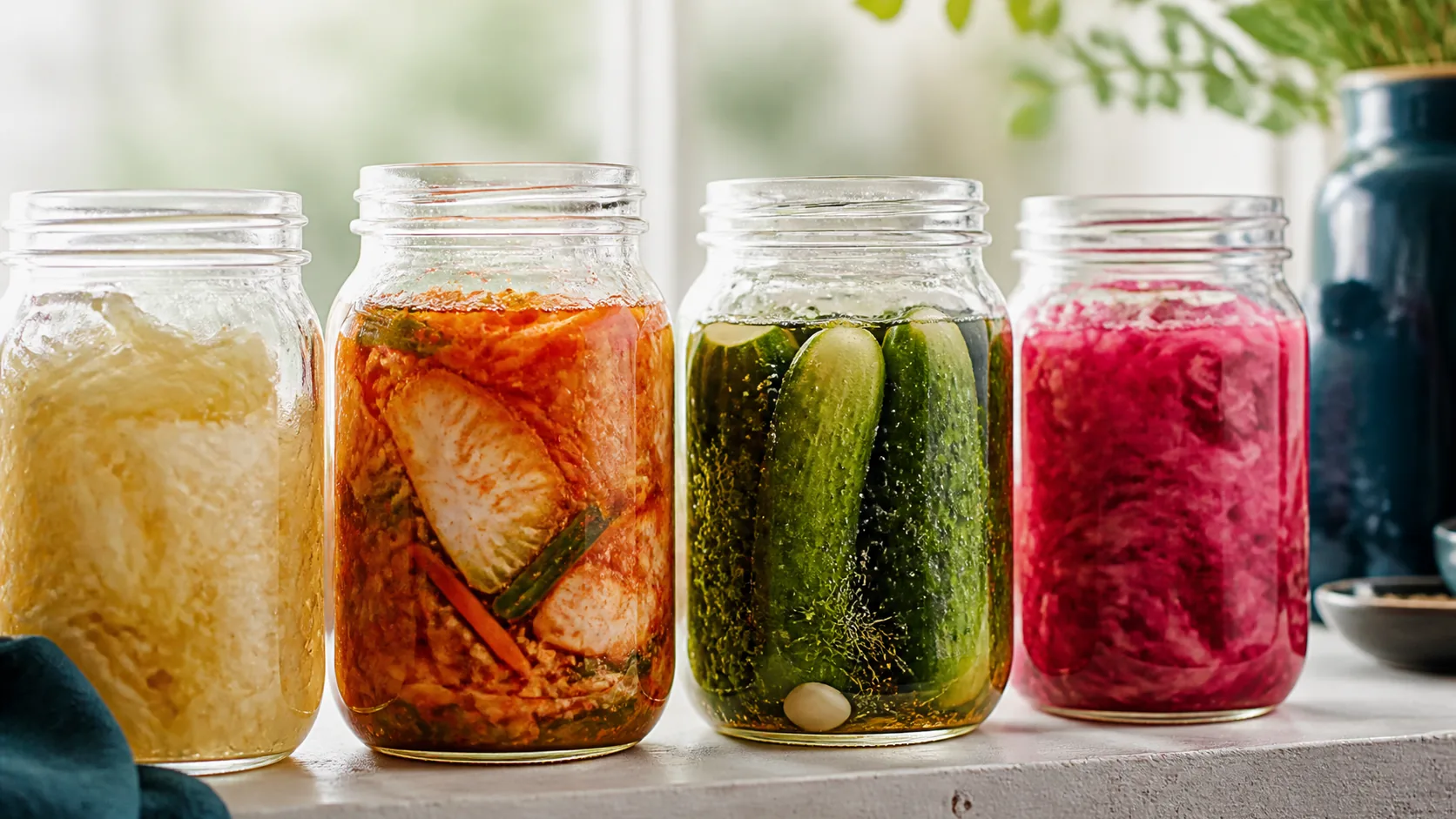
Diet is the biggest lever you control, and it acts fast — the community shifts within days of a substantial change and drifts back when the diet does. What counts most is how much fermentable fiber reaches the colon and how varied the plants are, since different plants feed different organisms. That is why fiber-rich patterns such as the Mediterranean diet are the standard advice. Fermented foods are a separate lever: in a small randomized trial a diet high in them raised diversity and lowered several inflammatory markers.
Medication matters too. A course of antibiotics cuts diversity sharply and recovery takes weeks to months, sometimes leaving species that do not come back; proton pump inhibitors, metformin and other common drugs leave their own signature. Alcohol, smoking, short sleep and chronic stress are associated with less favorable profiles, regular exercise with more favorable ones, though the effect is smaller than diet. Probiotics are strain-specific rather than generic: the strains in a capsule rarely take up permanent residence, and the evidence is reasonable for indications such as antibiotic-associated diarrhea and thin for general gut health in a healthy adult. Persistent symptoms — bleeding, weight loss, a lasting change in bowel habit — belong with a clinician, not a supplement.
Related reading
- Fiber, the Microbiome, and Longevity
- How to Support Gut Health and Your Microbiome
- How to Support Your Immune System as You Age
- How to Build a Longevity Diet: A Practical Guide
Disclaimer. This article is for information only and does not replace medical advice. Talk to a qualified clinician before changing anything about your health.