Health Through Menopause: A Longevity Guide for Women
By Longevity Lab · Published: July 21, 2026
Based on peer-reviewed research — full source list at the end of this article. This is educational information, not medical advice.
- Menopause is not an ending. It is a decisive stretch that shapes a woman’s health for decades.
- Falling estrogen speeds up bone loss and raises cardiovascular risk.
- Strength training, protein, vitamin D and control of risk factors are the base layer of protection in this period.
- Menopausal hormone therapy (MHT) can help both symptoms and bone, and the decision is made individually with a doctor.
- Many symptoms ease with lifestyle alone, and it is better to start early than to wait for problems.
Staying healthy through menopause comes down to four things: protect bone with strength training, protein, calcium and vitamin D; keep blood pressure, lipids and glucose in range to protect the heart; treat sleep and stress as part of the medical picture; and decide about menopausal hormone therapy (MHT) with a doctor rather than from rumor. Menopause is a natural stage every woman goes through, but in terms of longevity it is one of the most consequential periods, because hormonal change accelerates the processes that set bone, heart and metabolic health for decades ahead. This guide is about getting through it in the way that pays off most over a long life.
It helps to drop the alarmed tone right away. Menopause is not a disease and not the beginning of old age. It is a transition you can prepare for, and one that is largely manageable. The earlier the right habits are in place, the gentler the transition feels and the better your health in the years that follow.
What happens in the body during menopause
Menopause is the end of menstrual periods caused by the natural decline of ovarian function, and it is preceded by perimenopause, which can last several years. The central biological event is a drop in estrogen, a hormone whose influence reaches far beyond the reproductive system.
Estrogen protects bone, supports blood vessels, and takes part in metabolism and temperature regulation. That is why its decline shows up so broadly: hot flashes, disrupted sleep, mood swings, changes in the skin, and a shift of body fat toward the abdomen, where more of it sits deep around the organs as Visceral fat. How strongly these symptoms appear varies enormously from one woman to the next, from barely noticeable to a serious hit to quality of life.
Beyond the symptoms you can feel, there are quiet long-term consequences: accelerated bone loss and rising cardiovascular risk. Those two matter most for longevity, and they are where prevention should be aimed, rather than stopping at hot flashes.
Bone and heart: the biggest long-term risks
Two processes deserve special attention, because they develop invisibly and affect both the length and the quality of life.
| Risk | What happens | What to do |
|---|---|---|
| Osteoporosis | Rapid loss of bone mass after menopause | Strength training, protein, calcium, vitamin D, and therapy when indicated |
| Heart and blood vessels | Blood pressure, “bad” cholesterol and visceral fat all rise | Diet, activity, control of blood pressure and lipids |
| Metabolism | Insulin sensitivity falls | Strength training, fiber, weight control |
The first years after menopause are a critical window for bone, because density falls especially fast then. Osteoporosis is where that decline ends up when bone turns porous enough to break under everyday loads. Strength and impact loading, protein and vitamin D are particularly valuable in that window, and there is more detail in our guide to strengthening bones. Cardiovascular risk climbs in parallel, since estrogen previously gave blood vessels partial protection, and the principles of protection are in our guide to heart health.
What makes these risks treacherous is that they do not hurt. A woman can feel fine for years while bone quietly loses density and arteries lose elasticity. The first sign of osteoporosis is often a fracture itself, and the first sign of cardiovascular disease is often a major event. That is why menopause is a time to steer by numbers (bone density, blood pressure, lipids, glucose) rather than by how you feel, and to act ahead of the problem. Once those figures are in hand, a screening tool such as Heart Age QRISK turns blood pressure, cholesterol and the other standard factors into an estimate of your ten-year risk of heart attack or stroke.
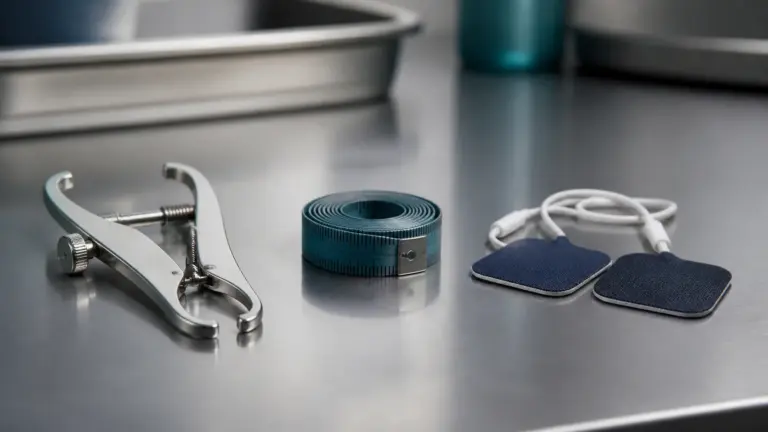
The good news is that both risks are largely manageable. Strength training and diet slow bone loss, while controlling blood pressure, lipids and weight, plus staying active, lowers cardiovascular risk. Bone densitometry is how you check that the bone side of that effort is actually working, because it measures density directly instead of leaving you to guess from how you feel. The period of greatest vulnerability is also the period when the right actions return the most.
Menopausal hormone therapy: what matters
Menopausal hormone therapy (MHT) replaces the hormones the body no longer produces. It remains the most effective treatment for hot flashes and a number of other symptoms, and it also helps protect bone. A great deal of fear surrounds it, much of it built on outdated readings of older studies.
The modern view is more balanced. For many women who start MHT in the first years of menopause and have no contraindications, the benefits may outweigh the risks, especially when symptoms are severe. But it is always an individual decision that depends on age, time since menopause began, and personal and family history. There is no universal “everyone can” or “no one should”.
So the main practical advice on MHT is this: do not hunt for your answer online, and do not avoid the subject out of fear. Discuss it with a competent doctor and weigh your personal benefits and risks. This article neither prescribes nor withholds therapy. It only helps you arrive at that conversation informed.
It is worth knowing about the so-called timing hypothesis: the balance of benefit and risk with MHT is thought to depend heavily on when treatment starts. Therapy begun in the first years after menopause in women without contraindications behaves differently from therapy begun many years later or in old age. That is one reason the alarming conclusions of past decades are being revisited, and one reason an individual rather than a one-size-fits-all approach matters so much.
One more point: MHT is not the only tool and not an obligatory choice. For some women it is a substantial gain in quality of life. For others, non-hormonal approaches and lifestyle come first. There is no universally correct decision, only the decision that fits a particular woman with her symptoms, her risks and her preferences. The task is to make it knowingly, together with a doctor.
Lifestyle: food, movement, sleep
Whatever you decide about MHT, lifestyle is the foundation of health through menopause, and it shapes both the symptoms and the long-term risks.
Food. Enough protein helps preserve muscle and bone, fiber and whole foods support weight and metabolism, and cutting back on sugar and alcohol reduces hot flashes in some women. Calcium and vitamin D are the priority for bone.
Movement. Strength training is especially important in this period, because it protects bone, preserves muscle and improves insulin sensitivity all at once. Aerobic exercise supports the heart and helps with weight and mood.
Sleep and stress. Hot flashes and anxiety often break up sleep, and short sleep makes symptoms worse, which closes the loop. Sleep hygiene, a cool bedroom, limiting caffeine and alcohol in the evening, and recovery practices genuinely make things easier. If you are unsure how much load you are actually carrying, the Stress Level Test (PSS-10) gives you a score to work from before you decide what to change.
How to ease symptoms without hormones
If MHT is unsuitable or simply not your choice, several symptoms can be softened with lifestyle and non-hormonal approaches:
- Hot flashes — keep the room cool, dress in layers, limit triggers (alcohol, spicy food, caffeine), and lose excess weight.
- Sleep — strict sleep hygiene, a cool bedroom, and an evening wind-down ritual.
- Mood — regular physical activity, social connection, and professional help when it is needed.
- Dryness and discomfort — local non-hormonal products exist, and this is worth raising with a doctor.
These measures do not rule out medication, but they often improve how you feel noticeably, and they work alongside any other decision you make.
Common mistakes
- Treating menopause as “just hot flashes” and missing the quiet risks to bone and heart.
- Refusing MHT out of fear without discussing your personal benefits and risks with a doctor, and, equally, starting it without checking for contraindications.
- Dropping strength training “to go easy on yourself” when it is exactly what you need most right now.
- Waiting for symptoms before taking care of yourself when prevention works better started early.
Myths about menopause
“Menopause is the start of old age.” It is a natural transition, not a sentence. Handled well, the years after menopause can be active and full, and much of that depends on habits rather than on menopause itself.
“Hormone therapy is plainly dangerous.” That is a simplification based on outdated readings. For many women, with the right regimen and the right timing, the benefits may outweigh the risks, but the decision is always individual and made with a doctor.
“Weight gain in menopause is inevitable.” Fat really does redistribute toward the abdomen, but weight gain is not fated: strength training, protein and attention to what you eat let you hold your shape and your metabolic health. A tape measure tracks that shift better than the scale does, and the WHR (waist-to-hip ratio) calculator tells you whether your fat distribution has moved toward the higher-risk abdominal pattern.
Where to start
Health through menopause rests on a handful of pillars. A sensible order:
- Learn your numbers — blood pressure, lipids and glucose, and ask about a bone density scan (Bone densitometry).
- Add strength training 2–3 times a week — bone, muscle and metabolism protected at once.
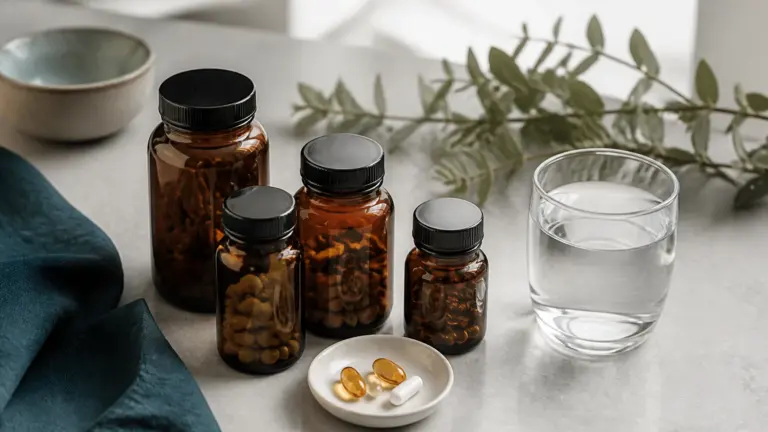
- Get enough protein, calcium and vitamin D — the foundation for bone and muscle.
- Discuss MHT with your doctor — weigh your personal benefits and risks instead of relying on rumor.
- Sort out sleep and stress management — this eases symptoms and lifts the general background.
Mindset deserves its own mention. For many years menopause was surrounded by silence and stigma, so women often endured symptoms without knowing that help existed. Today the period is discussed openly, and there are more evidence-based tools, from lifestyle to therapy, than ever before. Being informed is itself a resource: when you understand what is happening and what the options are, decisions become easier to make without fear.
The main thing is not to treat menopause as something to be endured in silence. It is a period in which informed action returns unusually large dividends for longevity, and it is better to start those actions early.
Is hormone therapy for menopause dangerous?
There is no single answer, because it is individual. For many women who start in the first years of menopause and have no contraindications, the benefits may outweigh the risks. The decision is made with a doctor, taking your personal history into account.
Why does strength training matter so much in menopause?
After menopause, bone mass and muscle are lost quickly and insulin sensitivity falls. Strength training protects bone, preserves muscle and improves metabolism at the same time.
Is weight gain inevitable?
A shift of fat toward the abdomen is typical because of the hormonal change, but weight gain is not fated. Strength training, enough protein and attention to what you eat help you hold your shape.
Can hot flashes be eased without hormones?
Partly, yes. Staying cool, limiting alcohol, caffeine and spicy food, losing excess weight, sleep hygiene and physical activity all help. With severe symptoms, discuss the options with a doctor.
When should you start looking after your health in menopause?
Earlier is better, in perimenopause or even before. Bone and heart prevention works better when started before problems appear, though measures taken later still produce a real effect.
Sources (4)
Disclaimer. This article is for information only and does not replace medical advice. Talk to a qualified clinician before changing anything about your health.