Osteoporosis
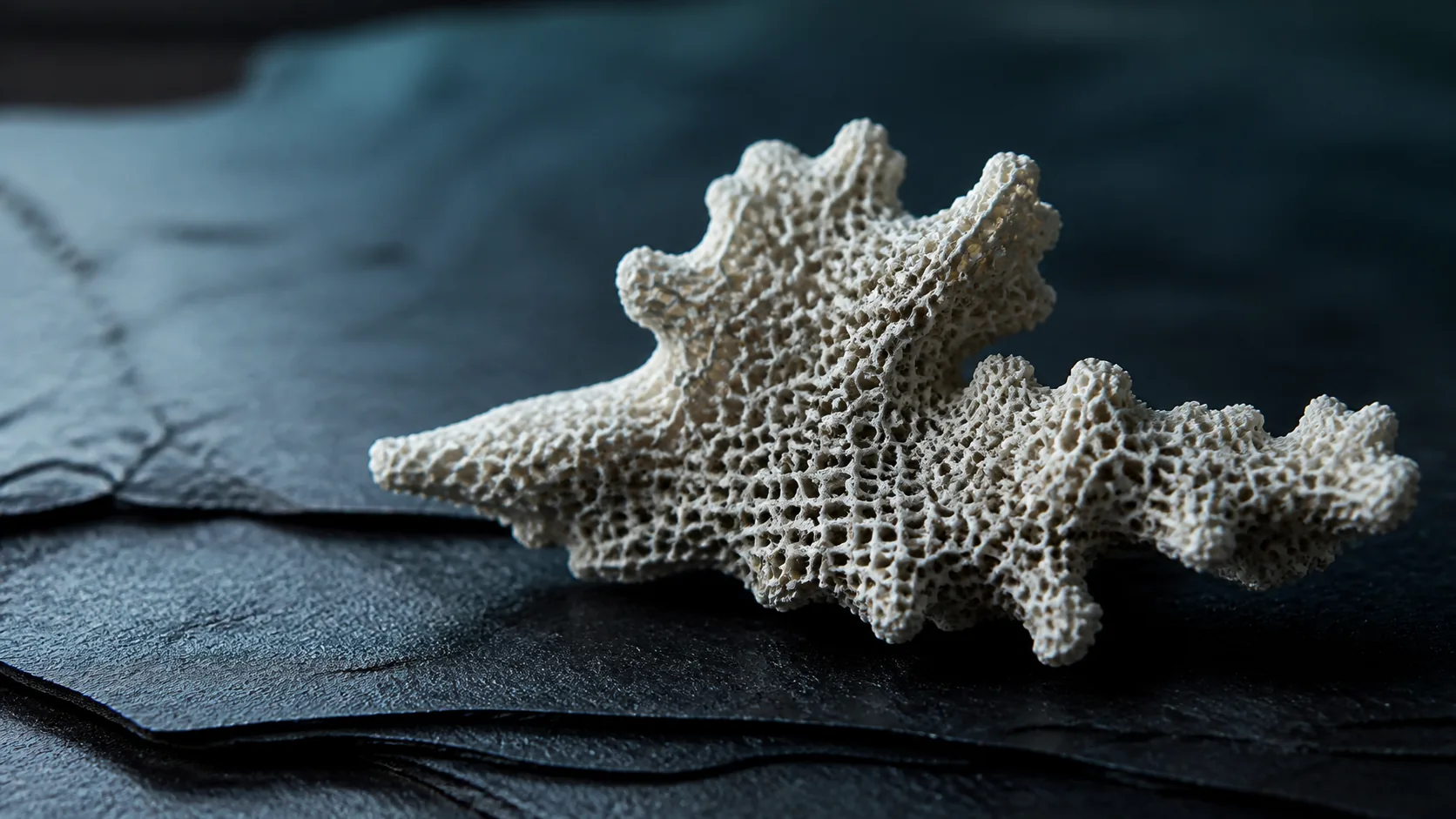
Osteoporosis is a skeletal disease in which bone mass is low and the internal structure of bone is degraded, so that bones break under forces that would not normally break them. The bone that remains is chemically normal; there is simply less of it, and its internal scaffolding is thinner and less connected. It causes no symptoms until something breaks, which is why it is usually found either on a bone density scan or after a fracture of the hip, spine or wrist. Osteoporosis is common after menopause and in older men, but it is not an inevitable part of aging.
What it measures
The standard measurement is bone mineral density from a DXA scan, a low-dose X-ray of the lumbar spine and the hip that takes a few minutes and requires no preparation. The scanner reports areal density in grams per square centimeter, then converts it into a T-score: the number of standard deviations your density sits above or below the average for a healthy young adult of the same sex. A separate Z-score compares you with people of your own age and sex, and is the one used in younger adults and children. The deeper reference entry for Osteoporosis covers the diagnostic pathway in more detail, and the scan itself is described under DEXA (dual-energy absorptiometry). Density is not the whole story: fracture risk calculators such as FRAX combine it with age, sex, prior fracture, smoking, steroid use and family history, because two people with the same T-score can carry very different risk.
Typical values
| T-score | Classification |
|---|---|
| -1.0 or higher | Normal bone density |
| Between -1.0 and -2.5 | Low bone mass, also called osteopenia |
| -2.5 or lower | Osteoporosis |
| -2.5 or lower with one or more fragility fractures | Severe, or established, osteoporosis |
These bands are the World Health Organization operational definition and apply to postmenopausal women and to men aged 50 and over. In younger adults the Z-score is used instead, and a Z-score of -2.0 or lower is reported as below the expected range for age rather than as osteoporosis. Note also that a fragility fracture of the hip or spine is treated as diagnostic in its own right, whatever the scan shows. The middle band is covered separately under Osteopenia.
Why it matters for longevity
Osteoporosis matters through fractures, not through the number itself. Lower bone density is associated with higher fracture risk across large cohorts, and the risk rises steeply as the T-score falls. Hip fracture is the outcome that changes a life: cohort studies consistently report elevated mortality in the year that follows, along with a substantial chance of permanent loss of independence. Vertebral fractures are quieter and often go undiagnosed, but they accumulate into height loss, chronic back pain and a stooped posture that makes breathing and balance harder.
What changes it
Some of it you cannot control. Peak bone mass is largely set by early adulthood, and genetics, sex and age all push on the result. The rest is workable. Resistance training and impact loading, such as jumping, hopping or brisk walking on hard ground, stimulate bone where the load is applied, so a program has to load the hip and spine specifically. Adequate protein, calcium and vitamin D supply the raw materials, and a deficiency in any of them limits what training can build. Smoking, heavy alcohol intake, very low body weight and long courses of oral glucocorticoids all accelerate loss. At menopause, falling estrogen drives several years of faster bone loss, which is why the timing of a first scan matters for women. Where risk is already high, clinicians use bisphosphonates, denosumab or bone-forming agents, and these have reduced fracture rates in randomized trials. Fall prevention, from balance work to reviewing sedating medications and fixing lighting and rugs at home, protects against the event itself.
Related reading
- How to Strengthen Bones and Prevent Osteoporosis
- Health Through Menopause: A Longevity Guide for Women
- Vitamin D and Longevity: Who Needs a Supplement
- Strength Training Against Sarcopenia
Disclaimer. This article is for information only and does not replace medical advice. Talk to a qualified clinician before changing anything about your health.