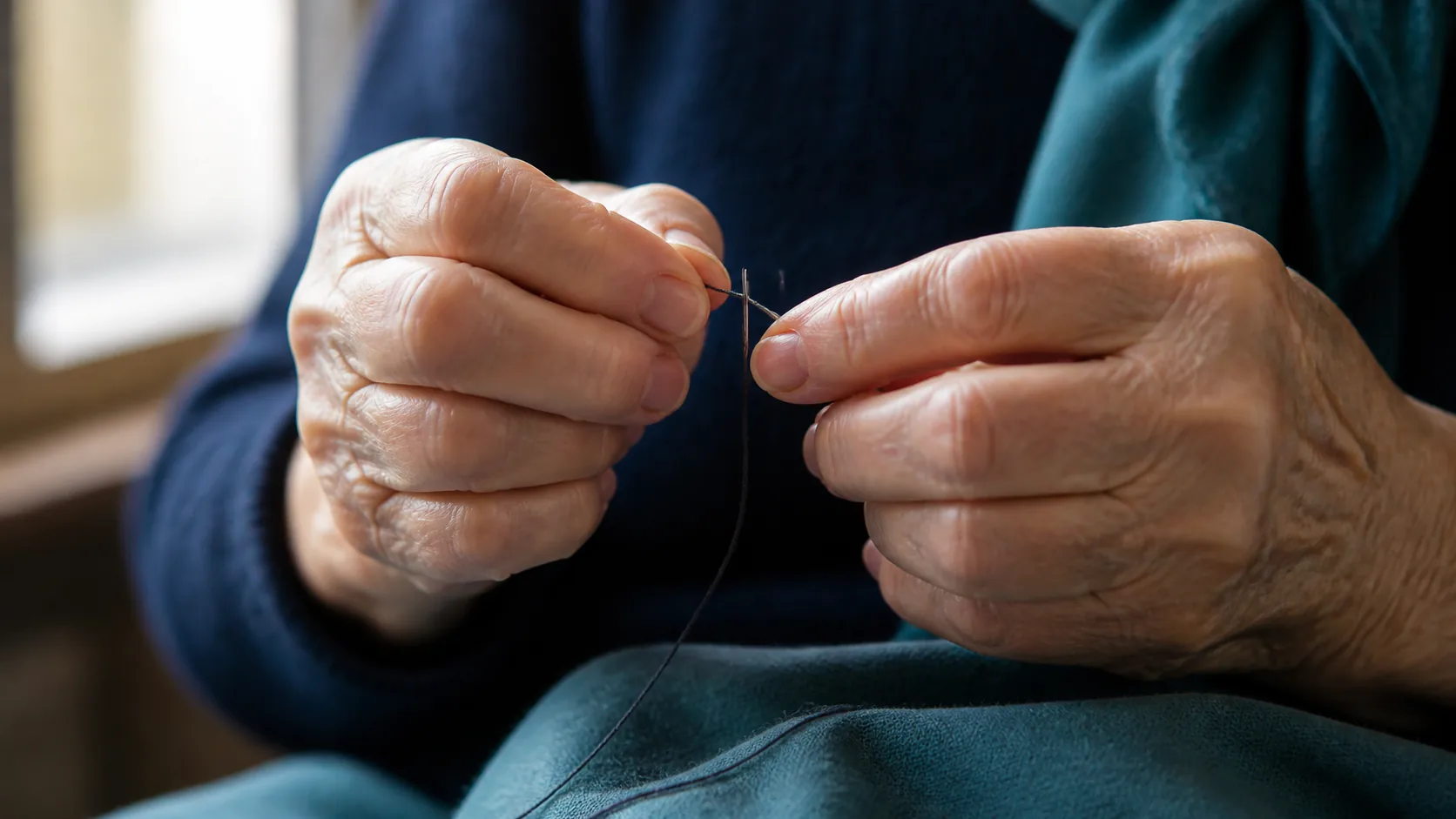
Neuromotor function
Neuromotor function is the nervous system’s control of movement: the coordination, balance, reaction time and motor-unit recruitment that turn an intention into an accurate, well-timed action. It is not muscle size or raw strength. It is the wiring and the signal — how many motor neurons are left, how well they fire together, and how fast the brain corrects a wobble before it becomes a fall. It fades partly separately from muscle, and it is assessed by watching a person move rather than by drawing blood.
What it measures
There is no single test. It is inferred from tasks that stress the control system rather than the engine.
- Balance. Standing on one leg, or feet in tandem, timed until the position is lost.
- Gait. Walking speed over a marked course, and step-to-step variability. Walking while counting backwards — a dual task — exposes problems that quiet walking hides.
- Speed of force, not size. Rising from a chair against the clock, or a jump-based power test.
- Coordination and position sense. Finger-to-nose and heel-to-shin testing in the clinic.
Laboratories go further, with nerve conduction velocity, motor unit estimates by EMG, and the rate of force development on a force plate. The aging pattern is well described: motor neurons are lost, survivors adopt the orphaned fibers into larger and clumsier motor units, and fast fibers shrink first. That is why power drops faster than strength: an older leg can be strong but slow.
Typical values
Every threshold here is a consensus screening point, not a biological boundary: cut-offs shift with age, sex, height and protocol, and working groups publish different ones. Read them as flags for assessment, not diagnoses.
| Test | What is recorded | Commonly flagged as low |
|---|---|---|
| Usual gait speed | Walking pace over a measured course | 0.8 m/s or slower |
| Short Physical Performance Battery | Balance, gait and chair rises, scored 0-12 | 8 points or fewer |
| Five-times sit-to-stand | Five rises from a chair, arms folded | More than 15 seconds |
| Timed up-and-go | Rise, walk 3 m, turn, return, sit | About 12 seconds or longer; published cut-offs vary |
| Single-leg stance | Seconds held, eyes open | Under about 10 seconds; normal times fall with age |
Why it matters for longevity
Slow usual walking speed is associated with higher all-cause mortality in pooled analyses of older-adult cohorts, and the association survives adjustment for age, sex and disease. Poor balance and slow chair rises are associated with falls, which drive fractures, hospitalization and lost independence. Motor slowing also tends to appear before cognitive decline is diagnosed, which is why gait is now recorded alongside memory testing.
Because control decays partly independently of muscle tissue, Neuromotor function (neuromuscular control) is tracked separately from Sarcopenia in the frailty literature: a person can keep muscle bulk and still lose the ability to catch themselves. This evidence is observational. These tests predict outcomes reliably, but predicting is not causing.
What changes it
Practice is the lever, and it is specific. Randomized trials of balance and functional exercise programs in older adults have reduced fall rates; supervised group programs and tai chi are the best-studied. Activity guidelines commonly add balance, agility and coordination work two or three days a week for older adults. Train speed as well as load: moving the weight quickly, step-ups and controlled hops build the rate of force development more than slow grinding does. Much of the strength gained in the first weeks of a new program comes from better motor-unit recruitment, not new tissue — a direct expression of Neuroplasticity in the motor system.
Several things degrade it quickly. Bed rest and sedentary stretches cost control faster than they cost muscle. Alcohol, benzodiazepines, sedating antihistamines and blood-pressure drugs that drop you on standing all raise fall risk, as do diabetic neuropathy, B12 deficiency, uncorrected vision and inner-ear disorders — worth checking before blaming age. Motor neuron loss, genetics and neurodegenerative disease are not under your control, though training still helps within them.
Related reading
- How to Build a Training Program for Longevity
- Strength Training Against Sarcopenia
- Grip Strength as a Marker of Longevity
- How Many Steps a Day You Actually Need
Disclaimer. This article is for information only and does not replace medical advice. Talk to a qualified clinician before changing anything about your health.