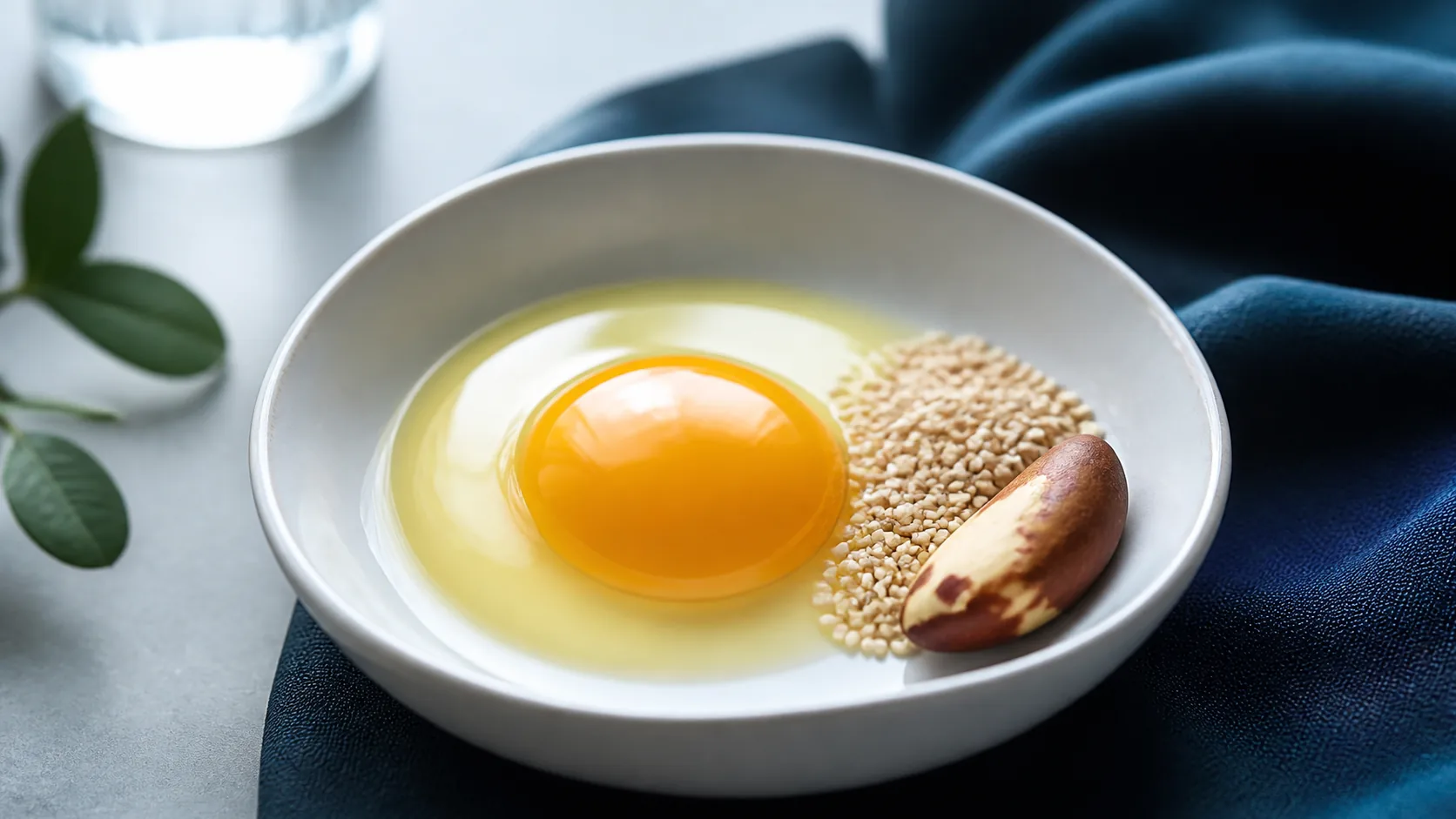
Methionine
Methionine is an essential sulfur-containing amino acid: the body cannot make it, every protein starts with it, and it is the raw material for SAM, the molecule that donates methyl groups across the cell. It comes from dietary protein, mostly animal protein, and because it sits at the head of both protein synthesis and the methylation system, how much you eat matters well beyond building muscle. A fuller clinical reference, including the methionine-homocysteine cycle, is the Methionine entry in the Smart Longevity glossary.
What it measures
Methionine is not something you normally get tested for. It is measured on a plasma amino acid panel, an ordinary fasting blood draw, and that panel is ordered to investigate a suspected metabolic disorder rather than to fine-tune a diet. Newborn screening looks for a very high value, a sign of homocystinuria. The number usually read instead is the downstream one, Homocysteine, because it reports whether the cycle is clearing properly.
The cycle itself runs in a loop. Methionine is activated to S-adenosylmethionine (SAM), the universal methyl donor. Once SAM hands its methyl group to DNA, a histone or a neurotransmitter, what is left becomes homocysteine. That either goes back to methionine, which needs folate and vitamin B12, or continues down the transsulfuration route toward cysteine and glutathione, which needs vitamin B6. Methionine intake is therefore an input to three things: protein, methylation capacity and antioxidant supply.
Typical values
Plasma methionine has a reference interval, but it differs by laboratory, assay, age and time since the last meal, so a result is only interpretable against the range printed on that report. It is not a longevity marker and there is no target to chase.
Intake is the more useful quantity. Expert bodies put the adult requirement for methionine plus cysteine together at roughly 15 mg per kilogram of body weight per day, an uncertain estimate that ordinary Western diets comfortably exceed. What varies most is the source:
| Food group | Methionine per gram of protein |
|---|---|
| Egg white, fish, poultry, lean meat | Highest |
| Milk, cheese, yogurt | High |
| Brazil nuts, sesame and sunflower seeds, grains | Moderate to high for plants |
| Beans, lentils, peas, soy | Low; methionine is their limiting amino acid |
| Most vegetables and fruit | Negligible; little protein |
Why it matters for longevity
Methionine restriction is one of the few dietary interventions that reliably extends lifespan in laboratory animals. Lowering methionine while keeping calories adequate lengthened life in rats and mice, and adding it back reverses the effect; flies and yeast respond similarly. The mechanism appears to overlap with calorie restriction: less methionine means less signaling through mTOR, more autophagy, lower IGF-1, and shifts in fat metabolism and stress resistance.
In humans the evidence stops well short of that. Short trials of methionine-restricted diets in adults with metabolic syndrome have reported improvements in fat metabolism and insulin sensitivity, but they were small, brief and not designed to measure aging. Diets naturally lower in methionine, built on legumes and grains rather than meat and eggs, are associated with better cardiometabolic markers, though those diets differ in many other ways too. No trial has shown that restricting methionine extends human life.
What changes it
Total animal protein is the main lever. Shifting part of your protein from meat, eggs and dairy toward beans, lentils and soy lowers methionine intake substantially, because legume protein is methionine-poor by nature. Cutting protein across the board does the same thing but costs muscle, a bad trade after midlife; swapping the source is the safer move.
Adequate folate, B12 and B6 matter as much as intake, since they keep the cycle turning instead of backing up. Supplemental methionine, and the SAM sold as a supplement, are used for specific clinical reasons and are not a general longevity strategy; taking them for better methylation is unsupported and can raise homocysteine. On a normal mixed diet you are not short of methionine.
Related reading
- How Much Protein You Need After 40 to Keep Muscle
- How to Build a Longevity Diet: A Practical Guide
- Caloric Restriction and Lifespan
- Amino acids
Disclaimer. This article is for information only and does not replace medical advice. Talk to a qualified clinician before changing anything about your health.