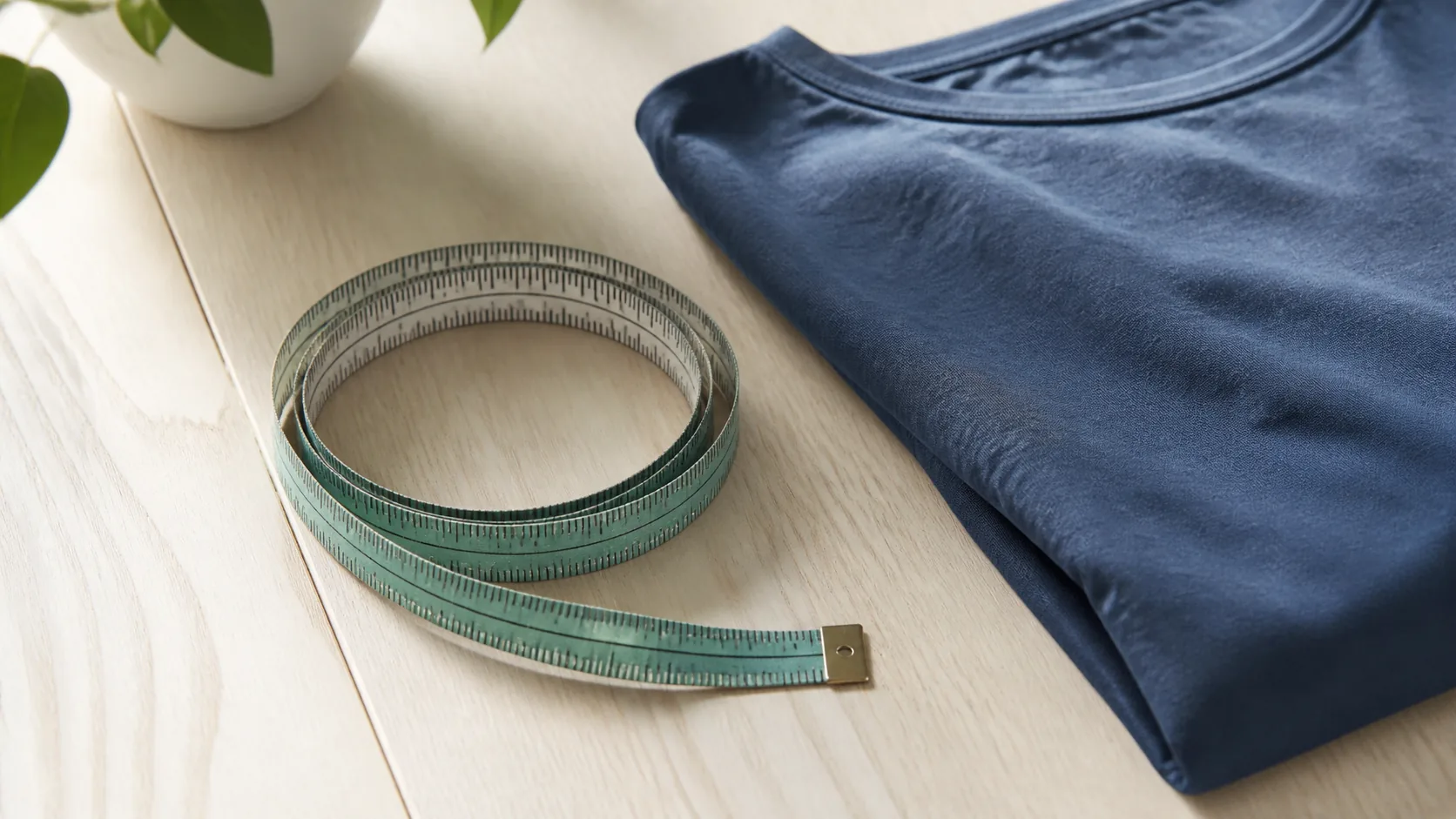
Waist circumference
Waist circumference is the distance around the abdomen, taken with a tape measure at a standard landmark between the lowest rib and the top of the hip bone, and used as a simple stand-in for the fat stored inside the belly. It takes twenty seconds and needs nothing but a soft tape, and it captures what body weight hides: where the fat sits. Two people at the same weight and the same body mass index can carry very different amounts of fat around their organs, and that is the fat tied most closely to metabolic and cardiovascular risk.
What it measures
A flexible tape is passed around the bare abdomen, kept horizontal all the way round, snug without compressing the skin, and read at the end of a normal breath out. Protocols differ in where the tape goes: the World Health Organization uses the midpoint between the lowest palpable rib and the top of the iliac crest, the US national survey protocol measures at the top of the iliac crest, others use the navel. Each gives a slightly different number, so pick one landmark and keep using it.
What the tape really tracks is Visceral fat, the metabolically active fat packed around the organs, which otherwise takes a CT, MRI or DEXA scan to quantify. It cannot separate that from the subcutaneous fat under the skin, which is why it is a proxy and not a measurement. Measure at the same time of day, ideally before eating; a large meal, bloating, a full bladder and pregnancy all shift it.
Typical values
The widely used adult thresholds, from WHO and the guidelines built on it, come in two tiers.
| Group | Increased risk | Substantially increased risk |
|---|---|---|
| Men | 94 cm (37 in) or more | 102 cm (40 in) or more |
| Women | 80 cm (31.5 in) or more | 88 cm (34.5 in) or more |
These are not universal. International guidance applies lower cut-offs to people of South Asian, Chinese, Japanese and several other ancestries, because the same risk appears at a smaller waist, and definitions of metabolic syndrome differ in which set they adopt. They also treat tall and short adult frames alike, which is what Waist-to-height ratio (WHtR) is meant to fix by scaling the same tape reading against your height. The tiers, the technique and what distorts a reading are covered in more detail in the reference entry Waist circumference.
Why it matters for longevity
In large observational cohorts a bigger waist is associated with higher all-cause mortality, type 2 diabetes and cardiovascular disease, and the association persists within each BMI band, including at a normal BMI. Someone can look unremarkable on the scale and still carry the fat pattern that matters, which is why obesity and cardiology bodies recommend taking the waist alongside BMI in routine practice.
Treat it as a signal, not a mechanism: the tape reports on a fat depot that tracks with insulin resistance and low-grade inflammation. Read it with the other cheap markers, blood pressure, fasting glucose, HbA1c and a lipid panel, and follow the trend over months rather than one measurement.
What changes it
A sustained energy deficit shrinks it, and abdominal fat tends to respond early in weight loss, so the tape often moves before the scale settles. Regular aerobic training reduces abdominal fat in trials even when body weight barely changes, and strength training protects the muscle you want to keep. Less alcohol, fewer sugar-sweetened drinks, more fiber and protein, and enough sleep all point the same way. Weight-loss medications lower it too, through overall fat loss rather than any abdominal effect.
Some of it you do not control. Fat distribution is partly genetic, age nudges the waist upward on its own, and after menopause the pattern shifts toward the abdomen even without weight gain. Targeting the area does not work either: sit-ups build the muscle underneath, but they do not remove the fat above it.
Related reading
- How to Improve Metabolic Health: A Practical Guide
- Which Blood Tests Reflect Aging and How to Read Them
- Heart Health: A Prevention Guide for Longevity
- How to Slow Aging: What Actually Works
Disclaimer. This article is for information only and does not replace medical advice. Talk to a qualified clinician before changing anything about your health.